
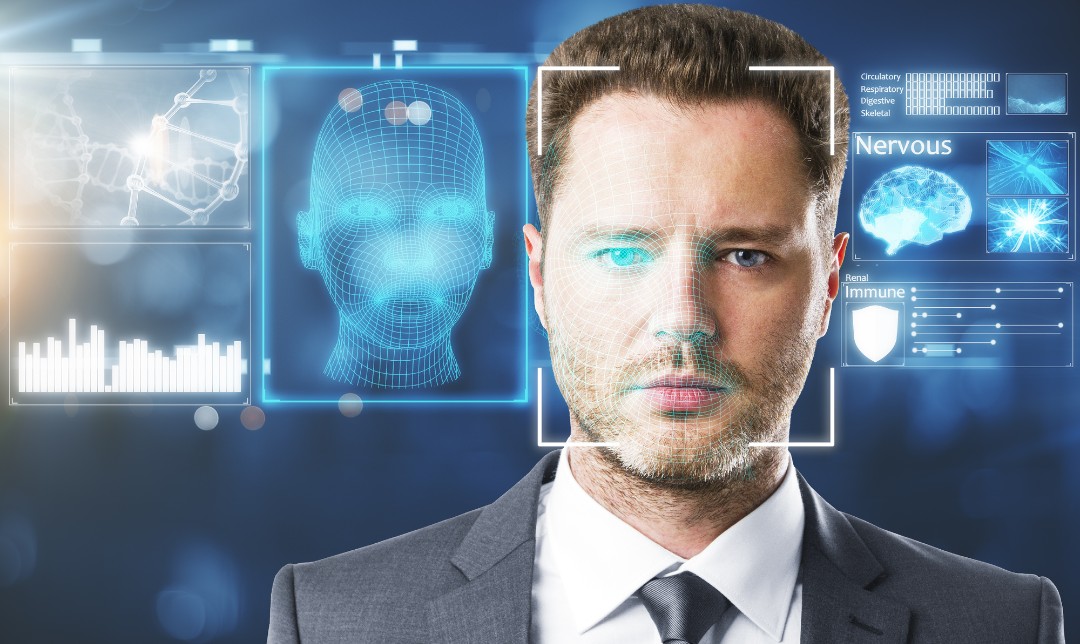
Security systems are no longer limited to recording incidents after they happen. With advanced AI video analytics, organizations can use surveillance technology to identify potential risks in real time, improve situational awareness, and support faster, more informed responses. For high-traffic environments like sports stadiums, transit hubs, campuses, and law enforcement facilities, this shift can help security teams move from reactive monitoring to proactive prevention.
What Is Emotion and Behavioral AI in Security?
Emotion and behavioral AI uses computer vision and artificial intelligence to analyze visual signals, movement patterns, and changes in human behavior. Instead of only detecting a person, vehicle, or object, advanced systems can help identify emotional and attentional states from continuous video streams [1], including signs of stress, attention, or emotional tension.
This type of technology is designed to support operators, not replace them. By turning subtle behavioral indicators into real-time alerts or dashboard insights, AI can help security teams notice concerns that may otherwise be dismissed in a busy environment.
Application 1: Identifying Early Signs of Aggression
One of the most promising uses of AI security technology is the ability to detect potential escalation before an incident becomes more serious. Systems that analyze facial signals, micro-expressions, and behavioral changes over time can help identify stress, escalation, and aggression trends rather than relying on a single image or isolated moment [1].
This matters because many security incidents build gradually. A tent interaction in a stadium concourse, transit station, or public lobby may show warning signs before it turns into a physical confrontation. When AI helps flag those changes early, staff can assess the situation and intervene sooner.
Application 2: Supporting Faster Response Times
Public safety video analytics can help operators understand what is happening across multiple camera feeds without relying solely on manual monitoring. AI can assist with detecting people, objects, activities, and potentially dangerous situations in live video [2], making it easier for teams to prioritize what needs attention first.
In practical terms, this can shorten response times. Instead of waiting for someone to report a problem, an AI enabled system may alert staff to suspicious behavior, crowd tension, or a developing disturbance. Security teams can then send personnel to the right location with better context before they arrive.
Application 3: Improving Safety in Busy Venues
Large venues create unique security challenges because movement is constant, crowds are dense, and small problems can escalate quickly. AI applications can support safety at sports stadiums, transit hubs, law enforcement facilities, and other high risk public spaces by helping monitor emotional and behavioral patterns in real time [3].
For example, AI may help identify abnormal crowd movement, aggressive behavior, or signs of distress. These insights can help operators decide when to dispatch security, redirect foot traffic, or alert emergency personnel. The goal is not just to record incidents, but to reduce the likelihood that they happen in the first place.
Application 4: Moving From Reactive Security to Preventative Security
Predictive security does not mean a system can know the future. It means AI can analyze patterns and risk indicators to help organizations make smarter decisions. Predictive policing research describes this approach as using analytical techniques to identify potential targets for intervention, with the goal of reducing crime risk or solving past crimes.
For private and public security environments, the value is similar. AI can help teams use limited resources more effectively, monitor developing risks, and support proactive intervention before events escalate [4]. When paired with trained personnel, this can lead to fewer incidents, faster action, and stronger overall safety planning.
Why Human Oversight Still Matters
AI security tools should be used carefully, especially when they involve emotion detection or behavior prediction. These systems can support decision-making, but they should not be treated as final judgment on a person’s intent. Human review, clear policies, privacy protections, and responsible thresholds are essential.
The strongest approach combines advanced analytics with experienced security professionals. AI helps highlight what deserves attention, while people evaluate context, make decisions, and respond appropriately.
Strengthen Real-Time Security Intelligence With Surveillance Secure
AI-powered surveillance can help organizations detect risks sooner, respond faster, and create safer environments for employees, visitors, and the public. If your facility needs smarter video analytics, real-time monitoring, or a more proactive security strategy, contact Surveillance Secure today to explore AI-enabled security solutions built around your site’s needs.
Sources:


 Virginia DCJS Private Security Services ID #11-6085